In recent years, podcasts have become one of the most popular media for consuming content online. But what is a podcast, how does it work, and why has it taken the world by storm? In this article we explain in detail what the word podcast means, how the content is made, and why it deserves your attention.
What does podcast mean?
Simply put, a podcast is a series of digital audio content available online, which listeners can download or receive automatically by subscribing. The word "podcast" comes from a combination of Apple iPod and "broadcast", as the format was originally tied to iPod devices.
Today, podcasts are no longer tied to the iPod at all and are available on any digital device. Episodes can easily be downloaded to our phones or smart devices, so we can even listen offline. A podcast, then, is a medium that connects content with listeners simply and conveniently

Why is the podcast so popular as a medium?
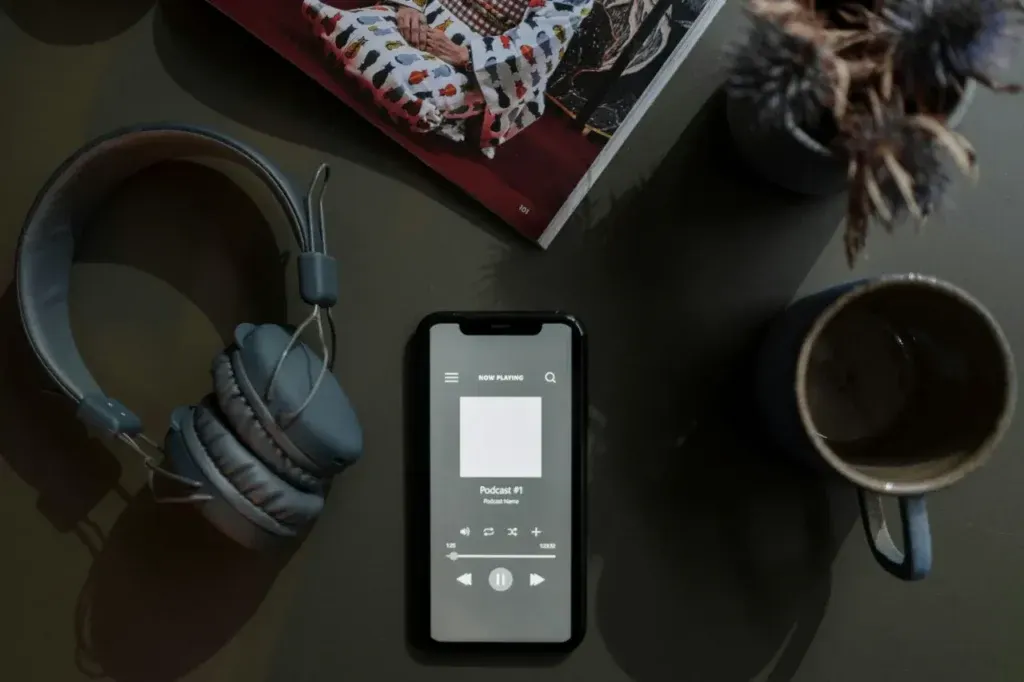
Part of the podcast's popularity comes from how convenient it is to consume. Thanks to smart devices, listeners can tune in to their favourite shows anywhere, any time: lying on the sofa, riding the bus, working out, over the morning coffee, as a backdrop while cleaning, or as company while getting ready in the evening.
The variety of content also contributes to the success of podcasts: there's a suitable show for almost any interest. Whether it's news, politics, lifestyle, business advice or true crime, everyone can find something they enjoy.
The most common podcast formats
- Podcasts come in many formats, depending on the experience they want to give listeners. The most popular types:
Interview podcasts, in which the host invites guests to explore a given topic. - Solo podcasts, where a single person shares their thoughts or expert opinion.
- Multi-host conversations, which are usually more casual and bring several perspectives together.
How does a podcast work?
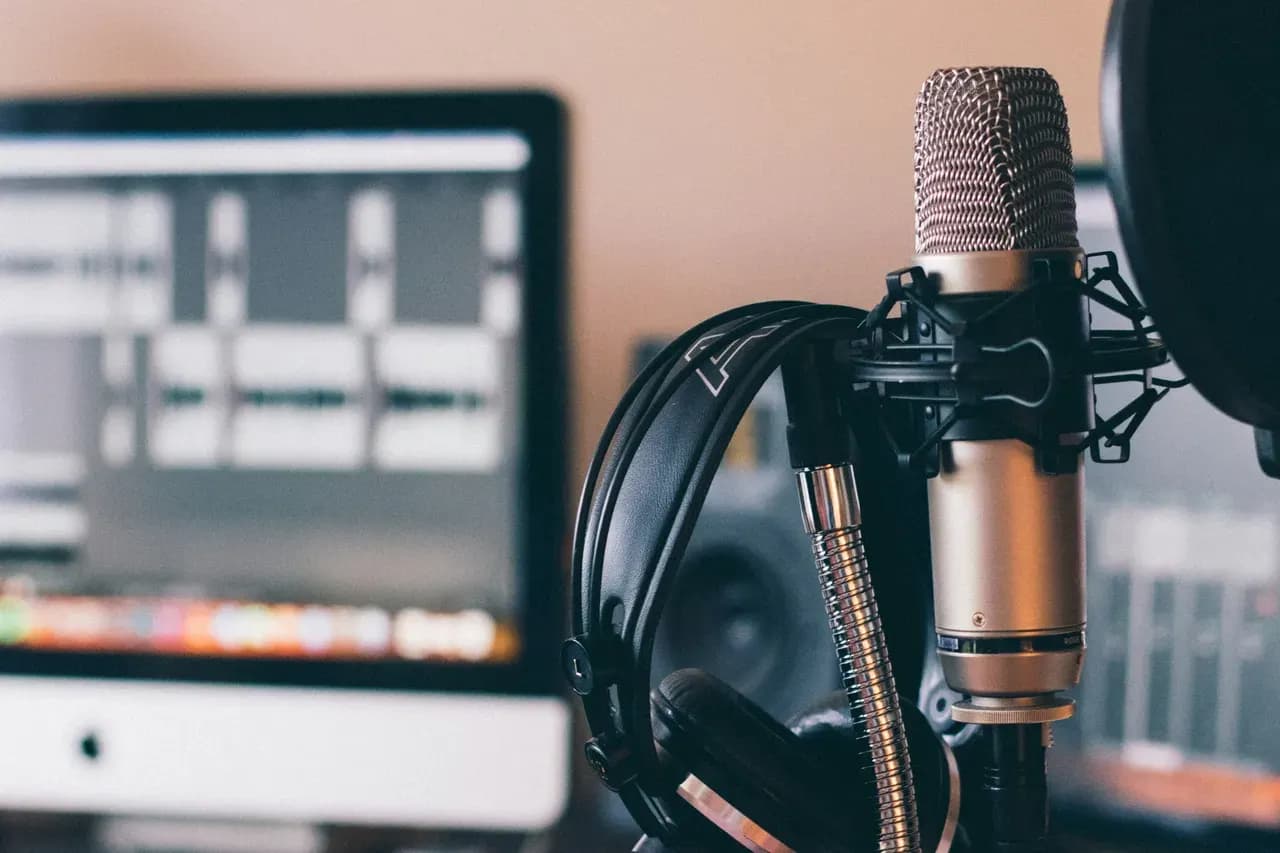
The way a podcast works is extremely simple, and that's exactly the secret of its popularity. Hosts create episodes using a microphone, a computer and recording software, then upload them to the internet through a hosting service. From there, the episodes reach listeners via various platforms such as Apple Podcasts, Spotify, Stitcher or Google Podcasts.
So is it really just a radio format? Not quite, because listeners can simply subscribe to the shows they find interesting, and new episodes appear automatically on their devices. This convenient access and the automatic updates contribute greatly to the popularity of podcasts.
If the world of podcast production has sparked your interest and you'd like to make your voice heard, we recommend considering podcast studio rental. It's an ideal choice both for beginners just starting out in podcast production and for experienced creators who want to keep growing in a more professional environment with better equipment
Don't wait for your competitors to move first: get started before they, too, are asking: "What is a podcast?"